
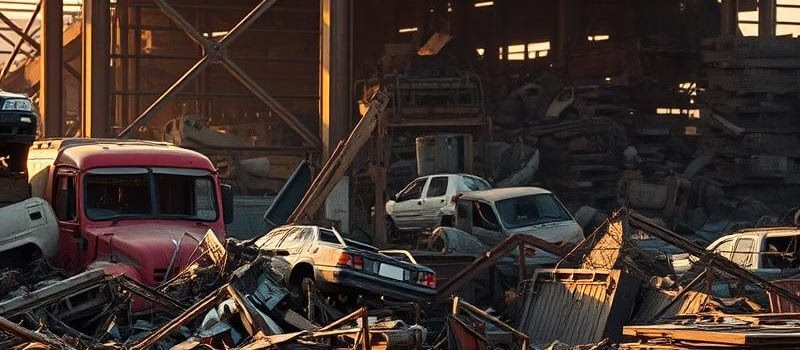
Understanding metal recycling regulations is crucial for residents and businesses in Hamilton to ensure compliance through effective scrap metal transportation logistics and contribute to the city's environmental well-being. The intricate web of regulations that govern this process helps promote sustainability and reduce waste.
As we navigate the complexities of metal recycling, we'll discover how these regulations impact our daily lives and the environment.
Key Takeaways
- Regulations play a crucial role in metal recycling in Hamilton
- Understanding scrap metal rules is essential for compliance
- The city's efforts promote sustainability and reduce waste
- Metal recycling regulations impact daily lives and the environment
- Residents and businesses must work together to ensure compliance
Overview of Hamilton's Recycling Laws
Understanding Hamilton's recycling laws is crucial for residents and businesses to contribute to environmental conservation. The city's metal recycling regulations are part of a broader strategy to reduce waste and promote sustainability.
Importance of Metal Recycling
Metal recycling plays a vital role in conserving natural resources, reducing landfill waste, and decreasing the need for primary metal production. By recycling metals, Hamilton residents and businesses can significantly reduce their environmental footprint.
The process not only helps in saving energy but also reduces greenhouse gas emissions associated with mining and processing raw metals. Furthermore, metal recycling supports the local economy by creating jobs and stimulating the market for recyclable materials.
Key Components of the Recycling Regulations
The recycling regulations in Hamilton are designed to facilitate efficient and effective metal recycling. Key components include:
- Guidelines for sorting and preparing metals for recycling
- Designated collection facilities and drop-off locations
- Partnerships with local recycling businesses to process recyclable metals
These components work together to create a streamlined recycling process that is accessible to both residents and businesses.
Goals of the Recycling Law
The primary goals of Hamilton's recycling law are to promote a culture of sustainability and reduce the environmental impact of waste disposal. By encouraging metal recycling, the city aims to:
| Goal | Description |
|---|---|
| Reduce Landfill Waste | Minimize the amount of metal waste sent to landfills |
| Conserve Resources | Preserve natural resources by recycling and reusing metals |
| Support Local Economy | Create jobs and stimulate economic growth through recycling |
| Environmental Protection | Reduce pollution and greenhouse gas emissions |
Types of Metals Covered by Regulations
Hamilton's recycling regulations cover a wide variety of metals to ensure comprehensive waste management. Understanding which metals are covered helps residents and businesses comply with the regulations and contribute to environmental sustainability.
Ferrous Metals
Ferrous metals, which contain iron, are among the most commonly recycled materials. These include:
- Steel: Used in construction, automotive, and manufacturing industries
- Iron: Found in pipes, machinery, and structural components
- Cast Iron: Common in cookware and engine blocks
Ferrous metals are magnetic and can be easily separated from other materials, making them ideal for recycling. The city encourages residents and businesses to separate these metals from general waste to facilitate proper processing.
Non-Ferrous Metals
Non-ferrous metals do not contain iron and are valued for their resistance to corrosion and conductivity. Common non-ferrous metals include:
- Aluminum: Used in beverage cans, window frames, and aircraft parts
- Copper: Found in electrical wiring, plumbing, and electronics
- Brass: Common in fixtures, fittings, and musical instruments
- Zinc: Used in galvanizing steel and die-casting
Non-ferrous metals are typically more valuable than ferrous metals and require specialized recycling processes to recover and refine them properly.
Rare and Precious Metals
Hamilton's regulations also cover rare and precious metals, which have significant economic and environmental value. These include:
| Metal | Common Sources | Recycling Value |
|---|---|---|
| Gold | Electronics, jewelry, dental work | Very High |
| Silver | Electronics, photography, jewelry | High |
| Platinum | Catalytic converters, electronics | Very High |
| Palladium | Catalytic converters, electronics | High |
Recycling these metals not only conserves valuable resources but also reduces the environmental impact of mining operations.
Compliance Requirements for Residents
For Hamilton residents, understanding and complying with metal recycling regulations is essential to support the city's environmental goals. The regulations are designed to be accessible and straightforward, making it easier for everyone to participate.
How to Properly Sort Metals
Proper sorting is the first step in effective metal recycling. Residents should:
- Separate ferrous from non-ferrous metals: Use a magnet to identify ferrous metals (they stick to magnets)
- Clean metals before recycling: Remove any non-metal components such as plastic, rubber, or glass
- Group similar metals together: Keep aluminum, copper, and other non-ferrous metals in separate containers
- Remove hazardous materials: Ensure metals are free from oils, chemicals, or other contaminants
By following these steps, residents can ensure that their metals are processed efficiently and effectively at recycling facilities.
Designated Drop-Off Locations
Hamilton provides several designated drop-off locations where residents can bring their sorted metals. These facilities are equipped to handle various types of metals and ensure proper recycling. Key locations include:
- City Recycling Depots: Open to all residents with convenient hours
- Community Collection Events: Periodic events for bulk metal recycling
- Licensed Scrap Metal Dealers: Private facilities that accept and process metals
Residents can check the City of Hamilton's website for the most current list of drop-off locations and their operating hours.
Penalties for Non-Compliance
To ensure compliance with recycling regulations, Hamilton has established penalties for residents who fail to properly dispose of metal waste. These penalties may include:
| Violation | First Offense | Repeat Offense |
|---|---|---|
| Improper disposal of metals | Warning + Education | $100-$500 fine |
| Contamination of recyclables | $50-$200 fine | $200-$500 fine |
| Illegal dumping of metals | $500-$1,000 fine | $1,000+ fine + legal action |
The city emphasizes education and assistance rather than punishment, offering resources to help residents understand and comply with the regulations.
Compliance Requirements for Businesses
Businesses in Hamilton face additional compliance requirements due to the larger volumes of metal waste they typically generate. Understanding these requirements is essential for maintaining legal operations and contributing to environmental sustainability.
Registration and Licensing
Businesses that handle significant amounts of scrap metal must register with the City of Hamilton and obtain appropriate licenses. This includes:
- Scrap Metal Dealer License: Required for businesses that buy, sell, or process scrap metal
- Waste Generator Registration: Mandatory for businesses producing large quantities of metal waste
- Environmental Compliance Certificate: Ensures businesses meet environmental standards
The registration process helps the city monitor metal recycling activities and ensure compliance with provincial and federal regulations.
Record-Keeping Requirements
Businesses must maintain detailed records of their metal recycling activities. These records should include:
- Types and quantities of metals collected or processed
- Sources of metal materials (suppliers, customers)
- Dates of collection, processing, and disposal
- Destinations of recycled materials
- Transportation documentation and manifests
Records must be kept for a minimum of five years and made available for inspection by city officials upon request.
Reporting Obligations
Hamilton requires businesses to submit regular reports on their metal recycling activities. Reporting obligations include:
| Report Type | Frequency | Deadline |
|---|---|---|
| Monthly Volume Report | Monthly | 15th of following month |
| Annual Environmental Report | Annually | March 31st |
| Incident Reports | As needed | Within 24 hours of incident |
Failure to submit required reports can result in fines, license suspension, or revocation.
Resources and Support for the Community
Hamilton provides numerous resources and support systems to help residents and businesses comply with metal recycling regulations. These resources are designed to make recycling accessible, convenient, and effective for everyone in the community.
Educational Programs
The city offers various educational programs to promote awareness and understanding of metal recycling:
- School Programs: Interactive workshops for students on environmental conservation and recycling
- Community Seminars: Regular presentations on proper recycling techniques and regulations
- Online Resources: Comprehensive guides, videos, and FAQs available on the city's website
- Business Training: Specialized sessions for companies on compliance and best practices
Recycling Facilities and Services
Hamilton operates several facilities and services to support metal recycling:
| Facility Type | Services Offered | Availability |
|---|---|---|
| City Recycling Centers | Drop-off for all metal types, sorting assistance | Mon-Sat: 8am-6pm |
| Curbside Collection | Scheduled pickup of sorted metals | Weekly/Bi-weekly |
| Mobile Collection Units | Community-based temporary collection points | Seasonal events |
| Commercial Services | Large-volume pickup and processing | By appointment |
Support Hotline and Website
For questions or assistance with metal recycling, residents and businesses can contact:
- Recycling Hotline: 1-800-RECYCLE (answered Mon-Fri, 9am-5pm)
- City Website: hamilton.ca/recycling - comprehensive information and forms
- Email Support: recycling@hamilton.ca - response within 2 business days
- Social Media: @HamiltonRecycles - updates, tips, and community engagement
By utilizing these facilities and resources, the community in Hamilton can significantly contribute to the city's sustainability goals. The city's commitment to promoting metal recycling is evident in its comprehensive approach, making it easier for everyone to participate.