
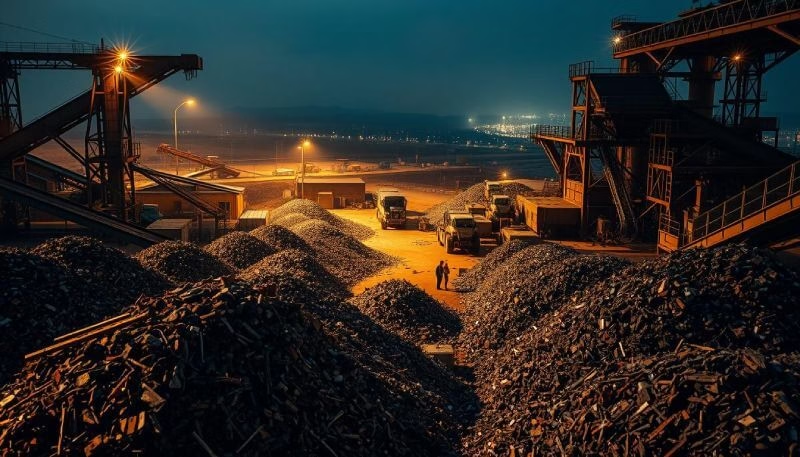
As I reflect on the importance of responsible waste management, I am reminded of the significant impact metal waste disposal has on our environment. It's a topic that resonates deeply with me, and I'm compelled to share my insights on how we can make a difference.
Industrial metal waste disposal is not just about getting rid of unwanted materials; it's about doing so in a way that is sustainable and environmentally conscious. By adopting effective recycling practices, we can minimize the environmental footprint of our industrial activities.
Key Takeaways
- Effective metal waste disposal is crucial for environmental sustainability
- Adopting recycling practices can minimize environmental footprint
- Responsible waste management is key to a healthier planet
Understanding Industrial Recycling Services
Embracing sustainable practices starts with understanding the role of industrial recycling services in waste management. For me, it's about recognizing the value in every scrap metal and the potential it holds for reuse. Industrial recycling is more than just a process; it's a commitment to sustainability.
Definition of Industrial Recycling
Industrial recycling refers to the process of collecting and processing materials that would otherwise be thrown away as waste. These materials are transformed into new products, reducing the need to consume natural resources. Industrial recycling services play a crucial role in this process by providing the necessary infrastructure and expertise to handle large volumes of waste.
The definition of industrial recycling encompasses a wide range of activities, from collecting and sorting materials to processing them into raw materials that can be used in manufacturing. It's a complex process that requires careful planning and execution to ensure that materials are properly handled and transformed into valuable resources.
Importance in Sustainable Practices
The importance of industrial recycling in sustainable practices cannot be overstated. By reusing materials, we reduce the need for extracting, processing, and transporting raw materials, which in turn reduces greenhouse gas emissions and helps to conserve natural resources. Industrial recycling services are essential in this regard, as they enable businesses to manage their waste in an environmentally responsible manner.
Moreover, industrial recycling contributes to a circular economy by keeping materials in use for longer and reducing waste. This approach not only benefits the environment but also provides economic benefits by creating jobs and stimulating innovation in recycling technologies.
In conclusion, understanding industrial recycling services is crucial for businesses and individuals looking to contribute to sustainable practices and reduce their environmental impact.
Benefits of Industrial Recycling for Businesses
When I consider the advantages of industrial recycling, I'm struck by the multitude of benefits it offers to businesses. From cost savings to enhancing corporate social responsibility, the impact is profound and far-reaching.
Cost Savings and Efficiency
One of the most significant advantages of industrial recycling is the potential for cost savings. By recycling materials, businesses can reduce their expenditures on raw materials and waste disposal. This is particularly relevant in industries where large volumes of metal waste are generated.
Consider the following ways in which industrial recycling can lead to cost savings:
- Reduced raw material costs
- Lower waste disposal costs
- Increased efficiency through the reuse of materials
For instance, recycling steel can save up to 60% of the energy required to produce new steel from raw materials. This not only reduces costs but also contributes to a more sustainable production process.
Enhancing Corporate Social Responsibility
Beyond cost savings, industrial recycling plays a crucial role in enhancing a company's corporate social responsibility (CSR). By adopting sustainable practices, businesses can improve their public image and contribute to environmental conservation.
Some key ways industrial recycling enhances CSR include:
- Demonstrating a commitment to sustainability
- Reducing the environmental impact of business operations
- Enhancing brand reputation through eco-friendly practices
In conclusion, industrial recycling is a vital practice for businesses looking to reduce costs, enhance efficiency, and improve their CSR. By embracing heavy metal waste disposal and other recycling practices, companies can make a positive impact on the environment while also benefiting their bottom line.
Types of Materials Collected by Industrial Recyclers
As we explore the world of industrial recycling, it becomes clear that the variety of materials collected is quite extensive. Factory waste recycling is a critical aspect of this process, ensuring that a wide range of materials are handled and processed responsibly.
Industrial recyclers collect materials from various industries, including manufacturing, construction, and demolition. The materials collected can be broadly categorized into different types based on their composition and recyclability.
Ferrous and Non-Ferrous Metals
Ferrous metals, which contain iron, are among the most commonly recycled materials. These include steel and iron products that are sourced from industrial waste, construction debris, and end-of-life vehicles. The recycling of ferrous metals is significant due to the energy savings it offers compared to producing new steel from raw materials.
Non-ferrous metals, on the other hand, do not contain iron and are highly valued for their recyclability. Materials like aluminum, copper, and brass are frequently recycled due to their economic value and the environmental benefits of recycling. For instance, recycling aluminum uses significantly less energy than producing new aluminum from bauxite.
Other Industrial Materials
Beyond metals, industrial recyclers also collect a variety of other materials. These can include plastics, paper, glass, and electronic waste (e-waste). The recycling of these materials not only reduces waste but also conserves natural resources and energy.
In Hamilton, industrial recycling services are equipped to handle diverse material streams, ensuring that businesses can efficiently manage their waste while contributing to a more sustainable future.
The Industrial Metal Recycling Process
Understanding the industrial metal recycling process reveals a complex yet fascinating journey from waste to resource. As someone deeply involved in promoting sustainability, I appreciate the meticulousness required at each stage to ensure that materials are efficiently recovered and reused.
Collection and Transportation
The first critical step in the industrial metal recycling process is the collection and transportation of metal waste from various industrial sites. This involves careful planning to ensure that materials are collected efficiently and safely transported to recycling facilities.
In Hamilton, specialized vehicles equipped with handling equipment are used to transport large volumes of metal waste. This step is crucial as it sets the stage for subsequent processing activities.
Sorting and Processing Techniques
Once the metal waste arrives at the recycling facility, it undergoes sorting and processing. This involves separating different types of metals using various techniques such as:
- Magnetic separation for ferrous metals
- Eddy current separation for non-ferrous metals
- Manual sorting for mixed materials
- Shredding and granulation for size reduction
After sorting, the metals are processed through shredding, melting, and purification to prepare them for reuse. Advanced technologies, including artificial intelligence and sensor-based sorting, are increasingly being employed to enhance efficiency and accuracy in the recycling process.
The processed metals are then transformed into raw materials that can be used in manufacturing new products, completing the cycle of industrial metal recycling and contributing to a circular economy.
Regulatory Aspects of Metal Waste Disposal in Hamilton
Navigating the regulatory landscape of metal waste disposal is essential for businesses operating in Hamilton and Ontario. As regulations become increasingly stringent, understanding and complying with environmental laws is not just a legal obligation but a commitment to environmental stewardship.
Canadian Environmental Regulations
In Canada, metal waste disposal is governed by a comprehensive framework of environmental regulations designed to minimize the impact of industrial activities on the environment. These regulations cover various aspects of waste management, including:
- Proper handling and storage of metal waste
- Strict guidelines for the handling and disposal of hazardous waste
- Regulations governing the transportation of industrial waste
- Requirements for businesses to implement waste reduction and recycling programs
By adhering to these regulations, businesses can minimize their environmental footprint and contribute to a more sustainable future.
Compliance Requirements for Businesses in Hamilton
To ensure compliance with environmental regulations in Hamilton, businesses must take proactive steps. This includes:
- Conducting regular audits to identify areas for improvement in waste management
- Implementing training programs for employees on proper waste handling and disposal procedures
- Maintaining accurate records of waste disposal and recycling activities
- Working with certified recycling providers who meet regulatory standards
It's essential for businesses to stay informed about changes to environmental regulations and to adapt their practices accordingly. By doing so, they can avoid potential fines and reputational damage, while also contributing to a more sustainable industrial landscape in Hamilton.
Choosing the Right Industrial Recycling Provider in Hamilton
Embarking on the path to sustainable industrial practices begins with a critical step: selecting the right industrial recycling provider. This decision is not just about finding a service; it's about forging a partnership that aligns with your business's commitment to environmental stewardship.
Key Considerations for Selection
When evaluating potential industrial recycling providers in Hamilton, several factors come into play. Reliability is paramount; you need a partner who can consistently collect and process your factory waste recycling materials on time.
Certifications and compliance are also crucial. Ensure that your chosen provider adheres to all relevant Ontario regulations and holds necessary certifications, demonstrating their commitment to environmental responsibility.
- Experience in handling industrial scrap management
- Capability to provide customized recycling solutions
- Transparency in their recycling processes and reporting
- Local presence in the Hamilton area for efficient service
Evaluating Service and Cost
While cost is an important consideration, it should not be the sole determining factor. Evaluate the overall value provided by the recycling service, including their level of customer service, flexibility in their operations, and the quality of their recycling processes.
A thorough comparison of different providers will help you make an informed decision. Consider creating a table to compare the services and costs of different providers:
| Provider | Services Offered | Cost | Certifications |
|---|---|---|---|
| Provider A | Factory waste recycling, Industrial scrap management | Competitive rates | ISO 14001 |
| Provider B | Industrial scrap management, Customized recycling solutions | Premium service | ISO 9001, ISO 14001 |
By carefully considering these factors and evaluating potential providers based on their service quality, cost-effectiveness, and commitment to sustainability, you can make an informed decision that supports your business's environmental goals in Hamilton.
The Future of Industrial Recycling in Hamilton
The industrial recycling industry in Hamilton is at a turning point, with emerging technologies and practices set to redefine its future. As we look ahead, it's clear that the path forward will be shaped by innovations in recycling technologies and evolving industry standards.
Innovations in Recycling Technologies
One of the most significant drivers of change in industrial recycling is the advancement in recycling technologies. Artificial intelligence and machine learning are being integrated into sorting and processing systems, making them more efficient and effective. For instance, AI-powered sorting machines can now identify and separate materials with greater accuracy, reducing contamination rates and improving the quality of recyclables.
Another area of innovation is in the processing of complex materials. Advanced mechanical processing techniques are being developed to handle materials that were previously difficult or impossible to recycle. This includes advancements in shredding, grinding, and separation technologies that can break down complex products into their constituent parts, allowing for more comprehensive recycling.
Evolving Industry Standards and Practices
As the industrial recycling sector evolves, so too are the standards and practices that govern it. There is a growing emphasis on sustainability and environmental stewardship, with companies being held to higher standards for their environmental impact. This includes not only the recycling processes themselves but also the sourcing of materials and the management of waste.
Industry standards are also becoming more stringent, with a focus on circular economy principles. This means designing systems where materials are kept in use for as long as possible, extracting the maximum value from them, and recovering and regenerating materials at the end of their service life. By adopting these principles, Hamilton businesses can reduce their environmental footprint while also improving their bottom line through cost savings and new revenue streams.
The future of industrial recycling in Hamilton is not just about technological advancements; it's also about creating a cultural shift towards sustainability. As consumers become more environmentally conscious, businesses that prioritize recycling and sustainability will be better positioned to meet their needs and stay ahead of the competition.
Case Studies of Successful Industrial Recycling
As we explore the realm of industrial recycling, it's inspiring to see Canadian companies leading the way in heavy metal waste disposal and factory waste recycling. Their stories offer valuable insights into effective practices that can be replicated across various industries.
Notable Examples
Companies like Novelis, a global leader in aluminum rolling and recycling, have made significant strides in industrial recycling. By implementing closed-loop recycling systems, they've minimized waste and reduced their environmental footprint. Similarly, steel manufacturers across Ontario have adopted advanced recycling technologies to process scrap metal more efficiently.
Best Practices from Hamilton Businesses
The success stories of these companies highlight the importance of investing in advanced recycling technologies and fostering a culture of sustainability. By adopting these best practices, businesses can not only reduce their environmental impact but also achieve cost savings through efficient heavy metal waste disposal and factory waste recycling.
As Hamilton continues to evolve towards a more circular economy, the role of industrial recycling will become increasingly vital. By learning from these case studies and embracing innovative recycling practices, we can create a more sustainable future for generations to come.
Frequently Asked Questions (FAQ)
What is industrial metal waste disposal, and why is it important?
Industrial metal waste disposal refers to the processes and practices used to manage and dispose of metal waste generated by industrial activities. It's crucial for reducing environmental pollution, conserving natural resources, and promoting sustainability.
How does industrial recycling contribute to sustainable practices?
Industrial recycling plays a vital role in sustainable practices by reducing the need for primary raw materials, decreasing energy consumption, and lowering greenhouse gas emissions. It helps close the loop in the production cycle, turning waste into valuable resources.
What are the benefits of industrial recycling for businesses?
Businesses benefit from industrial recycling through cost savings, enhanced efficiency, and improved corporate social responsibility. By adopting recycling practices, companies can reduce waste disposal costs, minimize environmental impacts, and demonstrate their commitment to sustainability.
What types of materials are collected by industrial recyclers?
Industrial recyclers collect a wide range of materials, including ferrous and non-ferrous metals, and other industrial materials. These materials are processed and recycled, reducing the demand for virgin materials and supporting sustainable industrial practices.
How does the industrial metal recycling process work?
The industrial metal recycling process involves several steps, including collection and transportation of waste materials, sorting and processing techniques to separate and prepare materials for recycling, and finally, the transformation of these materials into new products.
What are the regulatory requirements for metal waste disposal in Hamilton?
In Hamilton and Ontario, metal waste disposal is regulated by environmental laws and guidelines that dictate how businesses must manage and dispose of waste. Compliance with these regulations is essential for minimizing environmental harm and avoiding legal repercussions.
How do I choose the right industrial recycling provider in Hamilton?
Choosing the right industrial recycling provider involves considering several factors, including their experience with industrial scrap management, the range of services offered, their commitment to sustainability, and their cost-effectiveness.
What innovations are shaping the future of industrial recycling in Hamilton?
The future of industrial recycling in Hamilton is being shaped by advancements in recycling technologies, such as more efficient sorting and processing techniques, and evolving industry standards that promote best practices in sustainability and environmental stewardship.
Can you provide examples of successful industrial recycling case studies?
There are several notable examples of Canadian companies that have successfully implemented industrial recycling practices, achieving significant environmental and economic benefits. These case studies highlight the potential for industrial recycling to drive sustainability and reduce waste.