
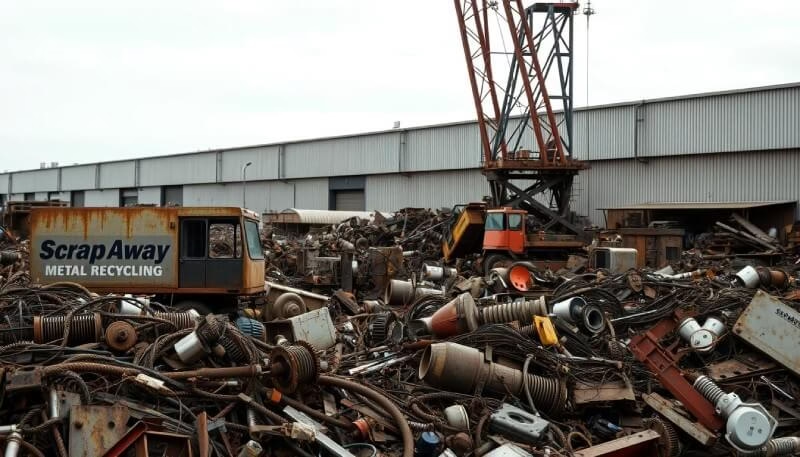
For businesses in Hamilton, Ontario, responsible metal disposal is more than just a regulatory requirement—it's a commitment to environmental sustainability and community well-being that demands careful consideration.
By choosing the right methods for disposing of industrial scrap equipment, we not only adhere to legal regulations but also contribute to the well-being of our community. Let's explore the best practices for responsible metal disposal and their significance in maintaining a healthy environment.
Key Takeaways
- Understand the importance of responsible metal disposal in Hamilton, Ontario
- Learn about the best practices for disposing of industrial scrap equipment
- Discover how proper disposal methods contribute to environmental sustainability
- Explore the role of industrial disposal services in maintaining a healthy environment
- Find out how to choose the right disposal methods for your needs
Understanding Industrial Disposal Services in Hamilton
As businesses in Hamilton continue to grow, understanding the nuances of industrial disposal services becomes increasingly crucial. Industrial disposal services encompass a broad range of activities, including the collection, processing, and responsible disposal of industrial waste. This includes commercial demolition metal recycling and factory appliance disposal, which are critical for maintaining a sustainable and environmentally friendly operation.
What are Industrial Disposal Services?
Industrial disposal services are designed to manage the waste generated by industrial operations. These services are tailored to handle various types of waste, including metals, electronics, and hazardous materials. By leveraging these services, businesses can ensure that their waste is disposed of in an environmentally responsible manner.
The process typically involves the collection of waste from industrial sites, followed by sorting and processing to identify materials that can be recycled or reused. This not only helps in reducing the environmental footprint but also aids in recovering valuable materials.
Importance of Proper Disposal
Proper disposal of industrial waste is crucial for minimizing environmental impact. Improper disposal can lead to soil contamination, water pollution, and air quality deterioration. Moreover, it is a legal necessity to dispose of industrial waste properly, as failure to comply with regulations can result in significant fines and reputational damage.
By adopting proper disposal practices, businesses can contribute to a more sustainable future. This includes recycling metals and responsibly disposing of hazardous materials. The importance of proper disposal cannot be overstated, as it directly affects not only the environment but also the well-being of communities surrounding industrial areas.
| Disposal Method | Environmental Impact | Cost-Effectiveness |
|---|---|---|
| Recycling | Reduces landfill waste and conserves natural resources | High |
| Landfilling | Contributes to environmental pollution and waste accumulation | Low |
| Hazardous Waste Disposal | Specialized disposal to prevent environmental contamination | Moderate |
Legal Regulations Surrounding Industrial Waste
In Canada, the management of industrial waste is governed by a set of regulations designed to protect the environment and public health. Businesses are required to comply with these regulations, which include proper waste classification, storage, and disposal. Understanding and adhering to these legal requirements is essential for avoiding legal repercussions and ensuring sustainable practices.
The regulations surrounding industrial waste management are stringent, and businesses must stay informed about the latest legal requirements. This includes obtaining necessary permits, maintaining records of waste disposal, and ensuring that waste is handled by licensed disposal facilities.
Types of Industrial Waste Generated
The industrial sector generates various types of waste, including metals, hazardous materials, and electronic waste, each requiring specialized disposal methods. Understanding these different types is crucial for developing effective waste management strategies.
Ferrous vs. Non-Ferrous Metals
Industrial operations heavily rely on metals, which can be categorized into ferrous and non-ferrous metals. Ferrous metals, containing iron, are widely used in construction and manufacturing. Non-ferrous metals, such as copper and aluminum, are valued for their conductivity and resistance to corrosion.
When it comes to disposal, ferrous and non-ferrous metals have different requirements. Ferrous metals can often be recycled, reducing the need for new raw materials. Non-ferrous metals, while also recyclable, require more complex processes due to their diverse properties.
Hazardous Materials in Industrial Operations
Hazardous materials pose significant environmental and health risks if not handled properly. These materials can include chemicals, heavy metals, and other toxic substances used in various industrial processes.
Proper disposal of hazardous materials is essential for protecting both the environment and public health. This requires specialized handling and disposal methods to ensure that these substances do not contaminate soil, water, or air.
| Type of Waste | Examples | Disposal Methods |
|---|---|---|
| Ferrous Metals | Iron, Steel | Recycling |
| Non-Ferrous Metals | Copper, Aluminum | Recycling, Specialized Processes |
| Hazardous Materials | Chemicals, Heavy Metals | Secure Landfilling, Treatment |
| Electronic Waste | Discarded Electronics | Dismantling, Recycling |
Benefits of Professional Disposal Services
In today's environmentally conscious world, professional disposal services offer a responsible solution for industrial waste management. By leveraging their expertise, businesses can ensure that their waste is handled in a manner that not only complies with regulations but also contributes to a more sustainable future.
Environmental Impact and Sustainability
Professional disposal services play a crucial role in minimizing the environmental footprint of industrial operations. They employ equipment metal recycling and other sustainable practices to reduce waste. For instance, recycling metal equipment reduces the need for raw material extraction, thereby conserving natural resources and decreasing greenhouse gas emissions associated with production processes.
Moreover, by adopting sustainable waste management practices, businesses can enhance their brand reputation and appeal to environmentally conscious consumers. This shift towards sustainability is not just a moral imperative but also a strategic business decision that can lead to long-term cost savings and compliance with evolving environmental regulations.
Compliance with Local Regulations
Navigating the complex landscape of environmental regulations can be challenging for businesses. Professional disposal services are well-versed in local regulations and ensure that waste disposal practices comply with all relevant laws. This expertise is invaluable in avoiding costly fines and legal repercussions associated with non-compliance.
Furthermore, professional disposal services provide the necessary documentation and reporting to demonstrate compliance, offering peace of mind and allowing businesses to focus on their core operations.
Cost-Effectiveness of Professional Services
While the initial cost of hiring professional disposal services might seem like an additional expense, it often leads to long-term savings. These services optimize waste management processes, reduce disposal costs, and can even generate revenue through the sale of recyclable materials.
Additionally, by preventing environmental contamination and legal issues, businesses can avoid costly remediation efforts and fines, making professional disposal services a financially sound investment.
Choosing the Right Industrial Disposal Partner
Selecting the right industrial disposal partner is critical to ensuring responsible waste management. The ideal partner should have a proven track record, relevant certifications, and the capability to handle your specific waste disposal needs.
Key Considerations When Selecting a Partner
- Reliability and Service Capabilities: Assess the partner's ability to deliver services on time and their capacity to handle large volumes of waste
- Environmental Policies and Practices: Evaluate their environmental policies, recycling practices, and efforts to minimize landfill waste
- Certifications and Compliance: Verify their certifications and compliance with local and national regulations regarding industrial waste disposal
Certifications and Compliance Standards
A reputable industrial disposal partner should hold relevant certifications and adhere to strict compliance standards. This not only ensures that the disposal processes are carried out legally and safely but also reflects their commitment to environmental responsibility.
"Partnering with a certified industrial disposal service is a crucial step towards minimizing environmental impact and ensuring regulatory compliance."
| Certification | Description | Importance |
|---|---|---|
| ISO 14001 | Environmental Management System | Ensures effective environmental management practices |
| ISO 9001 | Quality Management System | Guides quality management and customer satisfaction |
| WHMIS | Workplace Hazardous Materials Information System | Critical for handling hazardous materials safely |
Evaluating Service Capabilities
Evaluating the service capabilities of an industrial disposal partner involves assessing their equipment, technology, and workforce. A capable partner should be equipped to handle a wide range of industrial waste, from ferrous and non-ferrous metals to hazardous materials and electronic waste.
By carefully considering these factors and evaluating potential partners based on their certifications, compliance standards, and service capabilities, businesses in Hamilton can make informed decisions that support their sustainability goals and operational needs.
The Disposal Process Explained
As we navigate the world of industrial waste management, it's essential to grasp the disposal process from start to finish. This process is not just about getting rid of unwanted industrial equipment or scrap metal; it's about doing so in a responsible and environmentally friendly manner.
Step-by-Step Disposal Procedures
The disposal process begins with the collection of industrial waste, which can include everything from factory appliances to scrap metal. This waste is then sorted based on its type and potential for recycling. Proper sorting is crucial as it determines the subsequent steps in the disposal process.
Once sorted, the waste is processed. For metals, this often involves recycling, where the metal is melted down and reused, reducing the need for new raw materials. Other materials might be sent to landfills if recycling is not an option.
| Disposal Step | Description | Environmental Impact |
|---|---|---|
| Collection | Gathering industrial waste from factories and industrial sites | Potential for pollution if not handled properly |
| Sorting | Separating waste based on type and recyclability | Reduces contamination and improves recycling rates |
| Processing | Recycling or landfilling based on the waste type | Recycling reduces environmental impact by conserving resources |
Recycling vs. Landfilling: Making the Right Choice
One of the critical decisions in the disposal process is whether to recycle or landfill industrial waste. Recycling is generally the more environmentally friendly option as it conserves resources and reduces the environmental footprint. However, not all waste can be recycled, and in such cases, landfilling remains a necessary disposal method.
Post-Disposal Documentation and Reporting
After the disposal process is complete, it's essential to maintain detailed records. This includes documentation on what was disposed of, how it was disposed of, and where it was sent. Proper documentation is crucial for compliance with environmental regulations and for transparency.
In conclusion, the disposal process for industrial equipment and scrap metal involves careful planning, sorting, processing, and documentation. By understanding and following this process, businesses in Hamilton, Ontario, can ensure they are managing their industrial waste responsibly.
Case Studies: Successful Industrial Disposal in Hamilton
As we explore the realm of industrial disposal in Hamilton, Ontario, it's essential to examine real-world examples that demonstrate effective waste management practices. Local businesses have benefited significantly from professional disposal services, showcasing the value of responsible equipment metal recycling and machinery metal removal.
Local Success Stories
Several Hamilton-based companies have successfully implemented industrial disposal strategies, minimizing environmental impact while maximizing cost-effectiveness. These businesses have leveraged professional services to ensure compliance with local regulations and achieve sustainable waste management.
Innovative Approaches
Innovative practices in industrial waste management have emerged in Hamilton, focusing on recycling and reusing materials whenever possible. By adopting these approaches, local businesses can reduce their ecological footprint and contribute to a more sustainable future.
By studying these case studies and adopting best practices, other businesses in Hamilton can improve their own industrial disposal processes, ensuring a cleaner and healthier environment for the community.