
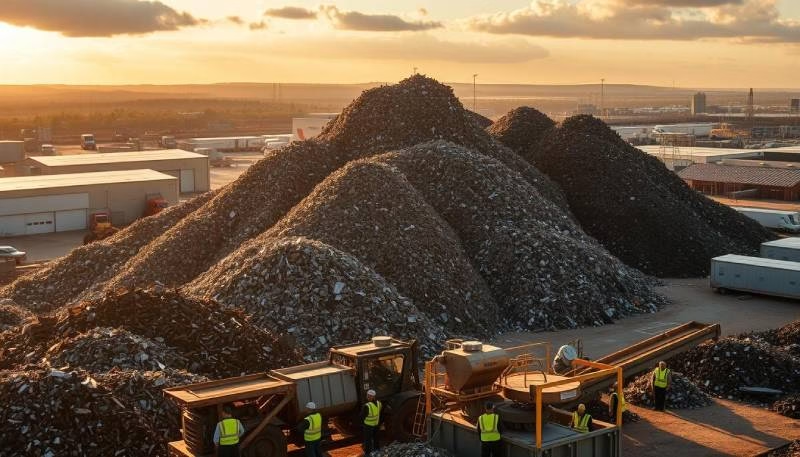
As we navigate the complexities of modern industry, it's essential to consider the impact of our operations on the environment. Commercial metal pickup in Hamilton and recycling is a vital aspect of reducing waste and promoting sustainability. By adopting environmentally responsible practices, we can not only reduce our ecological footprint but also contribute to a more harmonious relationship between industry and nature.
Implementing business recycling programs and commercial metal waste solutions can significantly benefit your organization. These initiatives not only help in reducing waste but also promote a culture of sustainability within your organization.
Key Takeaways
- Commercial metal recycling reduces waste and promotes sustainability
- Environmentally responsible practices can minimize ecological footprints
- Adopting metal waste solutions can benefit your organization
- Sustainable practices promote a positive industry-nature relationship
- Business recycling programs support a culture of sustainability
Understanding Business Recycling Programs
The journey towards sustainability begins with a simple yet profound step: embracing business recycling programs. As organizations strive to minimize their environmental impact, understanding the principles and benefits of these programs is crucial. Business recycling programs are designed to help companies reduce waste, improve their environmental sustainability, and contribute to a healthier planet.
What Are Business Recycling Programs?
Business recycling programs are structured initiatives that enable companies to recycle various materials, including paper, plastic, glass, and metal. These programs are tailored to meet the specific needs of businesses, helping them to divert waste from landfills and promote a culture of sustainability within their operations. By implementing such programs, businesses can significantly reduce their waste management costs and enhance their brand reputation as environmentally responsible entities.
Importance of Recycling in Business
Recycling plays a vital role in business operations, offering numerous benefits that extend beyond environmental conservation. By adopting effective recycling practices, companies can achieve significant cost savings through reduced waste disposal costs and the sale of recyclable materials. Moreover, recycling helps businesses comply with environmental regulations, mitigating the risk of fines and reputational damage associated with non-compliance.
Furthermore, embracing recycling demonstrates a company's commitment to sustainability, enhancing its appeal to environmentally conscious customers and stakeholders. In today's eco-aware market, businesses that prioritize recycling and sustainability are better positioned to attract and retain customers who value environmental responsibility.
Overview of Available Materials for Recycling
A wide range of materials can be recycled through business recycling programs. Understanding which materials are recyclable helps businesses maximize their recycling efforts and reduce waste more effectively.
Types of Metals Available for Recycling
Understanding the different types of metals available for recycling is crucial for businesses looking to implement effective industrial recycling strategies. Each metal type has unique properties and recycling processes, making it important to categorize them correctly.
Ferrous Metals
Ferrous metals contain iron and are magnetic. They are commonly used in construction, manufacturing, and various industrial applications. Recycling ferrous metals helps conserve natural resources and reduces energy consumption compared to producing new metal from raw materials.
Examples of Ferrous Metals:
- Steel
- Iron
- Cast Iron
Non-Ferrous Metals
Non-ferrous metals do not contain iron and are valued for their conductivity, corrosion resistance, and malleability. They are used in electrical wiring, electronics, and other applications where these properties are beneficial.
Examples of Non-Ferrous Metals:
- Aluminum
- Copper
- Brass
Precious Metals
Precious metals are rare, naturally occurring metallic elements of high economic value. They are used in jewelry, coins, and as investments. These metals are also crucial in various industrial applications, including electronics and catalysis.
Examples of Precious Metals:
- Gold
- Silver
- Platinum
| Metal Type | Examples | Common Uses |
|---|---|---|
| Ferrous Metals | Steel, Iron, Cast Iron | Construction, Manufacturing, Consumer Goods |
| Non-Ferrous Metals | Aluminum, Copper, Brass | Electrical Wiring, Electronics, Plumbing |
| Precious Metals | Gold, Silver, Platinum | Jewelry, Coins, Investments, Industrial Applications |
The Benefits of Metal Recycling for Businesses
Metal recycling offers a multitude of benefits for businesses, from environmental sustainability to cost savings. By adopting metal recycling practices, organizations can not only reduce their ecological footprint but also improve their bottom line.
Environmental Impact
One of the most significant advantages of metal recycling is its positive impact on the environment. Recycling metals reduces the need for extracting and processing raw materials from the earth, which in turn decreases greenhouse gas emissions and helps conserve natural resources. For instance, recycling aluminum uses 95% less energy than producing new aluminum from raw materials.
Cost Savings
Implementing industrial recycling strategies can lead to substantial cost savings for businesses. Recycling metals can reduce waste disposal costs and lower the expenses associated with purchasing new raw materials. Additionally, many recycling programs offer financial incentives for businesses that participate in metal recycling.
| Material | Cost Savings | Environmental Benefit |
|---|---|---|
| Aluminum | Up to 50% reduction in material costs | 95% less energy used compared to primary production |
| Copper | Significant savings on raw material purchases | Reduces the need for mining, conserving natural resources |
| Steel | Lower waste disposal costs | Reduces greenhouse gas emissions associated with production |
Compliance and Regulations
Businesses that adopt metal recycling practices are better positioned to comply with environmental regulations. By reducing waste and promoting sustainable practices, companies can avoid potential fines and legal issues related to non-compliance. Moreover, a commitment to recycling can enhance a company's reputation and contribute to a more sustainable future.
In conclusion, the benefits of metal recycling for businesses are multifaceted, encompassing environmental, economic, and regulatory advantages. As we move towards a more sustainable future, it's essential for businesses to integrate metal recycling into their operations.
How to Start a Business Recycling Program
With the growing importance of environmental sustainability, businesses are now looking for effective ways to reduce their waste, starting with recycling programs. Implementing a successful business recycling program requires a thoughtful approach, beginning with understanding your current recycling needs.
Assessing Your Recycling Needs
The first step in establishing a recycling program is to assess the types and amounts of waste your business generates. This involves conducting a waste audit to identify materials that can be recycled, such as paper, plastic, glass, and metals. Corporate scrap metal management is a crucial aspect, as it can significantly reduce waste and generate additional revenue.
- Identify the sources of waste in your operations
- Quantify the waste to understand the scale of your recycling needs
- Research local recycling facilities and their requirements
Developing a Plan
Once you have assessed your recycling needs, the next step is to develop a comprehensive recycling plan. This plan should outline the procedures for collecting, sorting, and processing recyclable materials. It's essential to involve employees in the planning process to ensure their cooperation and commitment.
- Establish clear goals and objectives for your recycling program
- Designate responsibilities to specific employees or teams
- Set up a system for monitoring and reporting recycling activities
Collaborating with Recycling Companies
Partnering with the right recycling company is vital to the success of your business recycling program. Look for companies that offer comprehensive services, including collection, processing, and responsible disposal of recyclables. Ensure they adhere to environmental regulations and have a good reputation.
By following these steps and collaborating with reputable recycling companies, businesses can establish effective recycling programs that contribute to their sustainability goals and reduce their environmental footprint.
Choosing the Right Recycling Partner
As businesses strive to reduce their environmental footprint, choosing the right recycling partner becomes increasingly important. This decision is crucial in ensuring that your commercial grade waste processing is handled efficiently and sustainably.
Factors to Consider When Selecting a Recycler
When evaluating potential recycling partners, there are several factors to consider. These include the recycler's reputation, their ability to handle your specific types of waste, and their commitment to environmental sustainability.
- Reliability and Reputation: Look for a recycler with a proven track record of reliability and a good reputation in the industry
- Capability and Capacity: Ensure that the recycler can handle the types and volumes of waste your business generates
- Sustainability Practices: Opt for a partner that adheres to environmentally responsible practices and has a clear commitment to sustainability
Questions to Ask Potential Partners
To further assess potential recycling partners, it's essential to ask the right questions. These might include:
- What experience do you have with commercial grade waste processing?
- How do you ensure the sustainability of your recycling practices?
- Can you provide references or case studies of previous clients?
By carefully considering these factors and asking pertinent questions, businesses can make informed decisions when selecting a recycling partner. This, in turn, enhances the effectiveness of their industrial recycling strategies and contributes to a more sustainable future.
"Partnering with the right recycler is not just about waste management; it's about being part of a solution that benefits the environment and your business."
The Role of Technology in Recycling
In the realm of metal recycling, technological advancements are playing a pivotal role in enhancing efficiency and reducing waste. As businesses increasingly adopt innovative recycling technologies, they are not only improving their operational efficiency but also contributing to a more sustainable future.
Innovations in Metal Recycling
The metal recycling industry has witnessed significant technological innovations in recent years. Advanced sorting technologies, such as sensor-based sorting and magnetic separation, have improved the purity and quality of recycled metals. Furthermore, the use of artificial intelligence and machine learning algorithms is optimizing the recycling process by predicting the quality of recyclable materials and identifying the most efficient processing methods.
As noted by industry experts, "The integration of technology in recycling processes has been a game-changer for the industry, enabling companies to achieve higher recycling rates and reduce their environmental footprint." This sentiment is echoed by the growing adoption of digital technologies in business recycling programs, which are transforming the way companies manage their metal waste.
How Technology Improves Efficiency
Technology is enhancing the efficiency of commercial metal waste solutions in several ways. Firstly, it is improving the accuracy of metal detection and sorting, reducing contamination rates and increasing the overall quality of recyclables. Secondly, advanced data analytics are helping businesses to optimize their recycling operations, identify areas of inefficiency, and implement corrective measures.
- Improved sorting accuracy through advanced sensor technologies
- Enhanced data analysis for optimized recycling operations
- Increased efficiency through automation and predictive maintenance
By leveraging these technological advancements, businesses can significantly improve their recycling efficiency, reduce costs, and contribute to a more circular economy. As we move forward, it is clear that technology will continue to play a vital role in shaping the future of metal recycling and business recycling programs.
Best Practices for Effective Recycling
Effective recycling is a multifaceted process that requires careful planning, employee engagement, and continuous monitoring. As businesses strive to minimize their environmental impact, adopting best practices in recycling becomes increasingly important.
Employee Training and Engagement
One of the critical components of a successful recycling program is employee training and engagement. Employees are the frontline workers in implementing recycling practices. Therefore, it's essential to educate them on the importance of recycling, the types of materials that can be recycled, and the procedures for sorting and disposing of waste.
Training programs should be comprehensive and include hands-on demonstrations. Regular updates and refreshers can help keep employees engaged and informed about new recycling initiatives. Moreover, encouraging employee feedback can provide valuable insights into improving the recycling program.
Regular Monitoring and Reporting
Regular monitoring and reporting are vital for assessing the effectiveness of a recycling program. By tracking the amount and types of materials recycled, businesses can identify areas for improvement and measure their progress over time. This data can also be used to report on environmental achievements and compliance with regulations.
Implementing a robust monitoring system involves setting clear metrics and benchmarks. Regular audits can help ensure that the recycling program is operating as intended and that any issues are addressed promptly. Transparency in reporting also builds trust with stakeholders and demonstrates the company's commitment to sustainability.
Success Stories from Hamilton Businesses
Hamilton businesses are leading the way in implementing effective metal recycling programs. These success stories demonstrate the tangible benefits of adopting comprehensive recycling initiatives.
| Company | Recycling Initiative | Outcome |
|---|---|---|
| Ontario Manufacturing Firm | Comprehensive metal recycling program | Significant reduction in waste disposal costs |
| Hamilton Automotive Parts Supplier | Metal waste recycling initiative | Recycled over 90% of metal waste |
Lessons Learned from Case Studies
The success stories of these companies offer valuable lessons for businesses looking to implement their own recycling programs. One key takeaway is the importance of assessing your recycling needs and developing a tailored plan that aligns with your business operations.
Another crucial lesson is the need to collaborate with reliable recycling partners who can provide the necessary infrastructure and support to ensure the success of your recycling program.
By understanding the strategies and approaches that have worked for other businesses, organizations can develop effective recycling programs that not only reduce their environmental impact but also contribute to their bottom line.
The Future of Recycling in Business
As we look ahead, the future of recycling in business is poised to undergo significant transformations driven by technological advancements and evolving environmental regulations. This shift is not just about compliance; it's about embracing a culture of sustainability that can drive both environmental and economic benefits.
Emerging Trends
The landscape of business recycling programs is evolving rapidly. One of the key trends to watch is the integration of advanced technologies such as AI and IoT in recycling processes. These technologies are enhancing the efficiency of sorting and processing recyclable materials, thereby increasing the overall recycling rate.
Another significant trend is the growing emphasis on closed-loop recycling, where materials are continually cycled back into production, minimizing waste and the continuous demand for virgin materials. This approach not only reduces environmental impact but also helps businesses save on material costs.
"The future of recycling is not just about technology; it's about creating a circular economy that values every material as a resource."
| Trend | Impact | Business Benefit |
|---|---|---|
| Advanced Recycling Technologies | Increased recycling efficiency | Cost savings, reduced waste |
| Closed-Loop Recycling | Reduced demand for virgin materials | Lower material costs, enhanced sustainability |
| Stricter Regulations | Increased adoption of sustainable practices | Compliance, enhanced brand reputation |
In conclusion, the future of recycling in business is bright, with numerous opportunities for growth and innovation. By staying ahead of the trends and embracing new technologies and practices, businesses can not only contribute to a more sustainable future but also reap significant economic benefits.
Frequently Asked Questions (FAQ)
What are the benefits of implementing a commercial metal recycling program in Hamilton?
Implementing a commercial metal recycling program in Hamilton can help reduce waste, conserve natural resources, and promote sustainability, while also generating cost savings and improving compliance with environmental regulations.
What types of metals are commonly recycled in commercial metal recycling programs?
Commonly recycled metals include ferrous metals, such as iron and steel, non-ferrous metals, like aluminum and copper, and precious metals, including gold and silver, which are often used in industrial applications.
How can businesses assess their recycling needs and develop a plan for commercial metal recycling?
Businesses can assess their recycling needs by conducting a waste audit, identifying the types and quantities of metals used, and developing a plan that outlines their recycling goals, objectives, and strategies for implementation.
What are some best practices for effective commercial metal recycling?
Best practices include employee training and engagement, regular monitoring and reporting, and collaborating with reputable recycling companies that adhere to environmentally responsible practices and commercial grade waste processing standards.
How can businesses choose the right recycling partner for their commercial metal recycling needs?
Businesses should consider factors such as the recycler's experience, reputation, and certifications, as well as their ability to provide industrial recycling strategies and corporate scrap metal management services that meet their specific needs.
What role does technology play in commercial metal recycling, and how can it improve efficiency?
Technology plays a vital role in modern commercial metal recycling, enabling businesses to improve efficiency through innovations in metal sorting, processing, and recovery, as well as advanced data analytics and monitoring systems.
What are some common challenges in implementing a commercial metal recycling program, and how can they be overcome?
Common challenges include lack of employee engagement, inadequate infrastructure, and regulatory compliance issues, which can be overcome through education, training, and collaboration with experienced recycling professionals and commercial metal waste solutions providers.
Conclusion: The Way Forward for Businesses
As we move forward, it's clear that business recycling programs play a vital role in reducing waste and promoting sustainability in Hamilton and Ontario. By understanding the benefits and implementing effective commercial metal waste solutions, businesses can significantly reduce their ecological footprint.
Key Takeaways for a Greener Tomorrow
Our journey through the world of metal recycling has highlighted the importance of assessing recycling needs, developing a plan, and collaborating with the right recycling partners. By adopting these strategies, businesses can not only reduce waste but also achieve cost savings and comply with regulations.
Join the Movement towards Sustainability
We encourage businesses to take a proactive approach to recycling and embark on a journey towards a more sustainable future. By working together and implementing effective business recycling programs, we can drive positive change and create a better tomorrow for generations to come.