
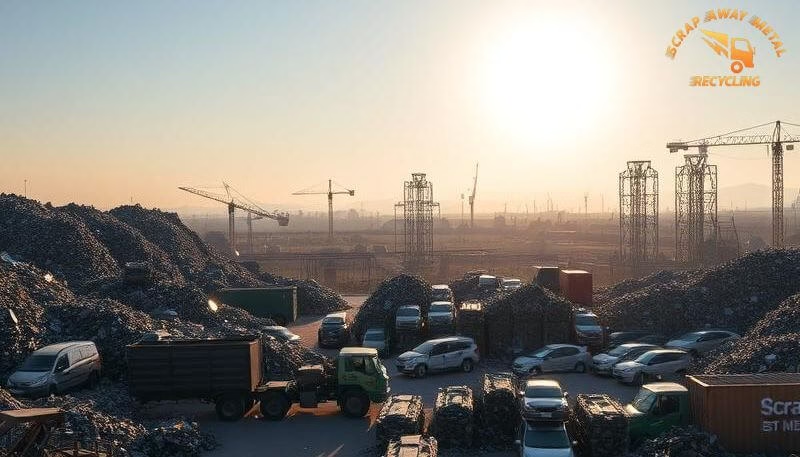
Commercial demolition projects in Hamilton, Ontario generate significant amounts of recyclable metal materials. Our building demolition recycling services help contractors and property owners maximize value recovery while minimizing environmental impact.
Streamlining your demolition project with professional metal recycling services ensures efficient material handling, regulatory compliance, and optimal resource recovery. By choosing experienced partners, you can transform demolition waste into valuable recyclable materials.
Key Takeaways
- Commercial demolition recycling reduces landfill waste significantly
- Professional metal recovery maximizes project value
- Environmental compliance ensures responsible disposal practices
- Experienced contractors provide efficient material handling
- Hamilton's recycling infrastructure supports sustainable demolition
Understanding Building Demolition Recycling
Building demolition recycling involves the systematic dismantling and processing of materials from demolished commercial structures. This process goes far beyond simple waste removal, focusing on recovering valuable resources while minimizing environmental impact.
In Hamilton's growing construction sector, demolition recycling has become an essential practice. By separating and processing materials like steel, copper, and aluminum, we can significantly reduce the amount of waste sent to landfills while recovering materials that retain substantial economic value.
The Importance of Sustainable Demolition Practices
Sustainable demolition practices benefit both the environment and your bottom line. By implementing comprehensive recycling programs, commercial demolition projects can:
- Reduce carbon footprint through material reuse
- Conserve natural resources by recycling metals
- Lower disposal costs compared to landfill fees
- Meet environmental regulations and building codes
- Enhance corporate sustainability credentials
Economic and Environmental Benefits
The economic advantages of demolition material recovery extend throughout the project lifecycle. Recovered metals command significant market value, offsetting demolition costs. Additionally, responsible recycling practices help avoid potential fines for improper disposal and demonstrate environmental stewardship to stakeholders.
Types of Metals Recycled in Commercial Demolition
Commercial buildings contain a diverse array of recyclable metals, each with unique properties and market values. Understanding these materials helps optimize recovery strategies and maximize project returns.
Structural Steel and Iron
Structural steel forms the backbone of most commercial buildings. This ferrous metal is highly recyclable and represents significant tonnage in demolition projects. Common sources include:
- Load-bearing beams and columns
- Floor joists and trusses
- Rebar from concrete structures
- Metal decking and panels
- Stairways and railings
Valuable Non-Ferrous Metals
Non-ferrous metals typically command higher recycling prices due to their specialized properties and applications:
| Metal Type | Common Sources | Value Category |
|---|---|---|
| Copper | Wiring, plumbing, HVAC components | High Value |
| Aluminum | Window frames, siding, ductwork | Moderate Value |
| Brass | Fixtures, valves, decorative elements | High Value |
| Stainless Steel | Kitchen equipment, fixtures | Moderate-High Value |
Specialty Metals and Alloys
Modern commercial buildings may also contain specialty metals like lead (from older plumbing), zinc (from galvanized materials), and various alloys used in specialized equipment. Proper identification and separation of these materials ensures optimal recycling value.
The Demolition Recycling Process in Hamilton
Professional demolition scrap services in Hamilton follow a systematic process to maximize material recovery while ensuring safety and efficiency.
Pre-Demolition Assessment and Planning
Every successful demolition recycling project begins with thorough assessment. This phase includes:
- Building Survey: Identifying all recyclable materials and their quantities
- Hazardous Material Review: Locating asbestos, lead paint, or other hazardous materials requiring special handling
- Structural Analysis: Determining optimal demolition sequence for safe material recovery
- Logistics Planning: Coordinating equipment, personnel, and material processing schedules
Selective Demolition and Material Separation
Rather than indiscriminate demolition, selective dismantling preserves material value. Experienced contractors systematically remove valuable metals, separating them by type for optimal recycling. This approach maximizes recovery rates while maintaining material purity for higher recycling value.
Processing and Transportation
Recovered materials undergo processing to prepare them for recycling facilities. This includes cutting oversized pieces, removing non-metallic attachments, and sorting by metal type. Materials are then transported to certified recycling facilities where they're further processed and reintroduced into manufacturing supply chains.
Regulatory Compliance and Environmental Standards
Hamilton's demolition recycling industry operates under strict regulatory frameworks designed to protect environmental and public health.
Ontario Environmental Regulations
Demolition projects must comply with various provincial and municipal regulations:
- Ontario Environmental Protection Act requirements
- Waste diversion regulations and targets
- Air quality standards for demolition activities
- Noise bylaws and operational restrictions
- Proper documentation and manifest requirements
Certification and Licensing Requirements
Reputable commercial scrap recycling contractors in Hamilton maintain current certifications demonstrating their commitment to environmental stewardship and professional standards. Look for contractors certified by relevant industry organizations and holding all necessary municipal permits.
Choosing the Right Demolition Contractor
Selecting an experienced contractor with proven recycling expertise is crucial for project success.
Essential Qualifications to Look For
When evaluating potential contractors, consider:
- Proven track record with similar commercial projects
- Comprehensive insurance coverage and bonding
- Current safety certifications and training programs
- Equipment and technology for efficient material recovery
- Established relationships with certified recycling facilities
Questions to Ask Before Hiring
Engage potential contractors with specific questions about their recycling practices:
- What percentage of demolition materials do you typically recover?
- How do you track and document recycled materials?
- What certifications do you hold for environmental management?
- Can you provide references from similar commercial projects?
- How do you handle unexpected discoveries of hazardous materials?
Assessing Experience with Recycling Practices
A contractor's experience with recycling practices directly impacts project outcomes. Look for evidence of their ability to efficiently sort and process materials, minimize waste, and maximize the value of recyclable materials. Request case studies or examples demonstrating their recycling success rates on comparable projects.
Innovations in Demolition Recycling
The demolition recycling industry continues to evolve with technological advancements improving efficiency and recovery rates.
Advanced Technology in Metal Sorting
Modern recycling facilities employ sophisticated sorting technologies:
- Eddy Current Separators: Efficiently separate non-ferrous metals from other materials
- X-Ray Fluorescence: Rapidly identify specific metal alloys for proper sorting
- Magnetic Separation Systems: Extract ferrous metals with high precision
- Optical Sorting: Use sensors and AI to identify and separate materials
Eco-Friendly Demolition Techniques
Innovative demolition methods reduce environmental impact while improving material recovery:
- Deconstruction: Systematic building dismantling that preserves material integrity
- Selective Demolition: Targeted removal of specific building components
- Low-Emission Equipment: Modern machinery with reduced environmental impact
- Dust Suppression Systems: Advanced technology minimizing airborne particulates
Future Trends in the Recycling Industry
The demolition recycling sector in Hamilton continues advancing toward greater sustainability. Emerging trends include increased automation, improved tracking systems using blockchain technology, and development of new applications for recycled materials. These innovations promise even higher recovery rates and reduced environmental impact in coming years.
Community Impact of Demolition Recycling
Professional demolition material recovery services provide significant benefits to Hamilton's community and economy.
Employment Opportunities and Training
The demolition recycling industry creates valuable employment opportunities across skill levels. From equipment operators to material handlers, sorting specialists to logistics coordinators, these positions provide stable careers while supporting environmental goals. Many companies offer training programs, equipping workers with specialized skills in sustainable demolition practices.
Environmental Initiatives and Urban Renewal
Demolition recycling supports Hamilton's broader environmental initiatives by:
- Reducing landfill burden and extending facility lifespans
- Decreasing demand for virgin material extraction
- Lowering overall carbon emissions from construction activities
- Supporting urban renewal through efficient site redevelopment
- Enhancing community aesthetics by properly managing demolition sites
By revitalizing neighborhoods through responsible demolition and material recovery, these services contribute to Hamilton's ongoing transformation into a more sustainable, livable city.
Frequently Asked Questions (FAQ)
What is building demolition recycling, and how does it contribute to sustainability?
Building demolition recycling involves the responsible dismantling and processing of materials from demolished structures, reducing waste and promoting environmental stewardship. By recycling materials, we conserve natural resources, decrease landfill waste, and minimize the environmental impact of construction projects.
What types of metals are commonly recycled in commercial demolition?
Steel, aluminium, and copper are among the most commonly recycled metals in commercial demolition. These metals have unique properties and applications, making them valuable resources in the construction industry. Recycling these metals reduces the need for primary production, saving energy and minimizing environmental impacts.
How do demolition recycling facilities ensure compliance with regulations and standards?
Demolition recycling facilities in Hamilton comply with regulations and standards by implementing responsible handling and processing practices. This includes adhering to environmental guidelines, maintaining proper documentation, and ensuring that materials are handled and processed in accordance with industry best practices.
What are the benefits of choosing a demolition contractor with experience in recycling practices?
Choosing a demolition contractor with experience in recycling practices ensures that materials are handled and processed responsibly, minimizing environmental impact. Such contractors have the expertise to sort and process materials effectively, recover valuable resources, and reduce waste.
How does demolition metal waste contribute to commercial scrap recycling?
Demolition metal waste is a significant contributor to commercial scrap recycling, providing a valuable source of materials for recycling. By processing and recycling demolition metal waste, we conserve natural resources, reduce the need for primary production, and minimize environmental impacts.
What role does advanced technology play in metal sorting and recycling?
Advanced technology plays a crucial role in metal sorting and recycling, improving the efficiency and accuracy of metal separation. Modern machinery and techniques enable the recovery of more materials, reducing waste and promoting sustainability in the recycling industry.
How does demolition material recovery support local environmental initiatives?
Demolition material recovery supports local environmental initiatives by promoting sustainability, reducing waste, and conserving natural resources. By recovering and recycling materials, demolition recycling facilities contribute to a more environmentally conscious society and help to revitalize neighborhoods.
What are the economic benefits of demolition scrap services in Hamilton?
Demolition scrap services in Hamilton provide economic benefits by creating job opportunities, stimulating local economic growth, and supporting businesses involved in the recycling industry. By processing and recycling materials, demolition scrap services also help to conserve natural resources and reduce waste.